
New Speculative Fiction Themes: Speculative Fiction - New Ideas for Writers
Speculative fiction is a vast ocean, inviting us to dive deep beneath the surface of reality and explore worlds that shimmer with possibility. When I sit down to write, I often find myself wandering through these uncharted waters, searching for new constellations of ideas that can guide my storytelling. What if the future is not just a place but a feeling? What if the past and present fold into one another like pages in a book, waiting to be rewritten? These questions, like gentle ripples, inspire fresh themes and narratives that breathe life into speculative fiction.
Embracing New Speculative Fiction Themes
The beauty of speculative fiction lies in its boundless capacity to imagine. It is a playground where the rules of our known universe bend and twist, allowing us to explore what could be rather than what is. Recently, I have been drawn to themes that challenge the very fabric of identity and existence. Consider the idea of consciousness as a migratory entity, capable of leaping between bodies or even species. What stories emerge when identity is fluid, and the self is a mosaic of memories borrowed from others?
Another theme that fascinates me is the interplay between technology and nature, not as adversaries but as collaborators. Imagine a world where trees communicate through bioengineered networks, or where cities grow organically like coral reefs, shaped by the collective will of their inhabitants. These themes invite us to rethink our relationship with the environment and technology, weaving narratives that are both cautionary and hopeful.
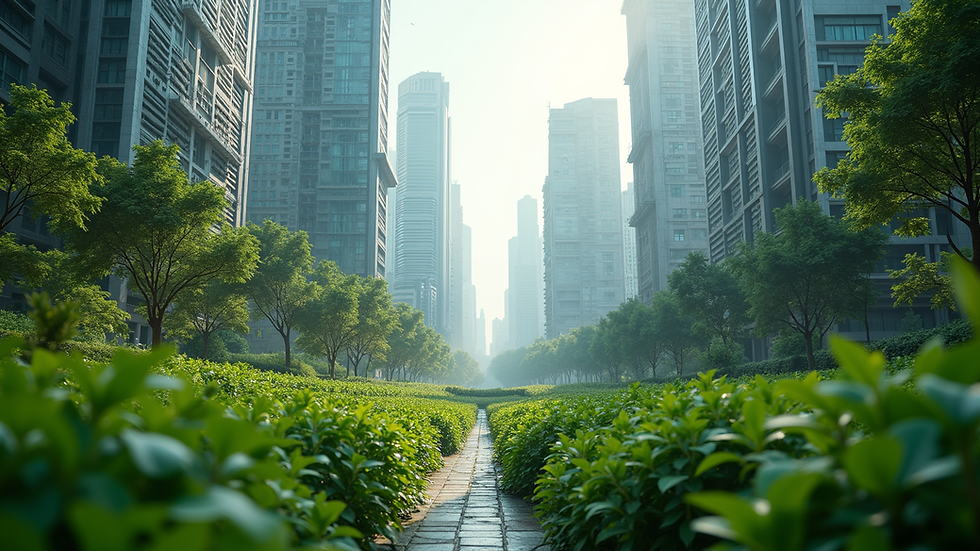
The fusion of technology and nature creates a new speculative landscape.
What are the five storytelling techniques?
To bring these new speculative fiction themes to life, I often rely on five storytelling techniques that serve as my compass:
Non-linear Narratives - Time is a river that can flow backward or split into tributaries. By disrupting chronological order, I invite readers to piece together the story like a puzzle, deepening their engagement.
Multiple Perspectives - Telling the story through various eyes enriches the narrative tapestry. It allows the exploration of conflicting truths and the complexity of shared experiences.
World-Building Through Sensory Detail - Instead of dumping exposition, I immerse readers in the textures, sounds, and smells of the world. This sensory approach makes the speculative tangible.
Symbolism and Metaphor - These tools transform abstract ideas into vivid images, giving the story layers of meaning that resonate beyond the page.
Unreliable Narrators - When the storyteller’s truth is questionable, readers are invited to question their own assumptions, creating a dynamic reading experience.
These techniques are not just tools but invitations to experiment, to push the boundaries of traditional storytelling. They align perfectly with innovative storytelling techniques that encourage writers to explore new narrative forms and voices.
Crafting Worlds That Reflect Our Inner Landscapes
Speculative fiction is often mistaken as a genre solely about external worlds—alien planets, dystopian futures, or magical realms. Yet, I find its true power lies in mirroring our inner landscapes. When I create a world, I ask myself: what emotional truths does this place hold? How do its skies, its laws, and its creatures echo the human condition?
For example, a city perpetually shrouded in twilight might symbolize the liminal space between hope and despair. A society where memories can be traded like currency could reflect our own struggles with identity and authenticity. By embedding emotional resonance into the fabric of the world, the speculative becomes deeply personal.
This approach also invites readers to see themselves in the unfamiliar, to find fragments of their own stories in the strange and wondrous. It is a gentle reminder that even in the most alien settings, the heart beats with recognizable rhythms.

Miniature models can help visualize worlds that reflect inner emotional states.
Practical Tips for Writers Exploring New Ideas
If you find yourself standing at the edge of the speculative fiction sea, unsure where to dive, here are some practical steps that have helped me navigate these waters:
Start with a question: What fascinates you? What if time could be folded like fabric? What if dreams were portals to other dimensions? Let your curiosity lead.
Mix genres: Don’t be afraid to blend elements of mystery, romance, or historical fiction with speculative themes. This fusion can create fresh, unexpected narratives.
Use sensory writing: Engage all five senses to build immersive worlds. Describe the metallic tang of a futuristic city’s air or the soft rustle of leaves in an enchanted forest.
Experiment with form: Try writing a story as a series of letters, journal entries, or fragmented memories. This can add depth and intrigue.
Read widely: Explore works outside your usual preferences. Sometimes, inspiration comes from the most unlikely places.
Write with empathy: Even the most fantastical characters should feel real. Understand their desires, fears, and contradictions.
By weaving these practices into your writing routine, you open doors to stories that are not only imaginative but also deeply human.
The Ever-Expanding Horizon of Speculative Fiction
As I reflect on the evolving landscape of speculative fiction, I am reminded that it is a genre without borders. It invites us to question, to dream, and to imagine futures that challenge our present. The new speculative fiction themes emerging today are not just about technology or magic but about connection, transformation, and the fluidity of reality itself.
In this endless dance of creation, every writer becomes a cartographer of the unknown, charting new territories with words as their compass. So, I ask you - what new worlds will you bring to life? What stories will you tell that shimmer with the light of possibility?
Let us continue to explore, to invent, and to dream. For in the realm of speculative fiction, the only limit is the horizon of our imagination.


Comments